
Heal your inner child through journalling.
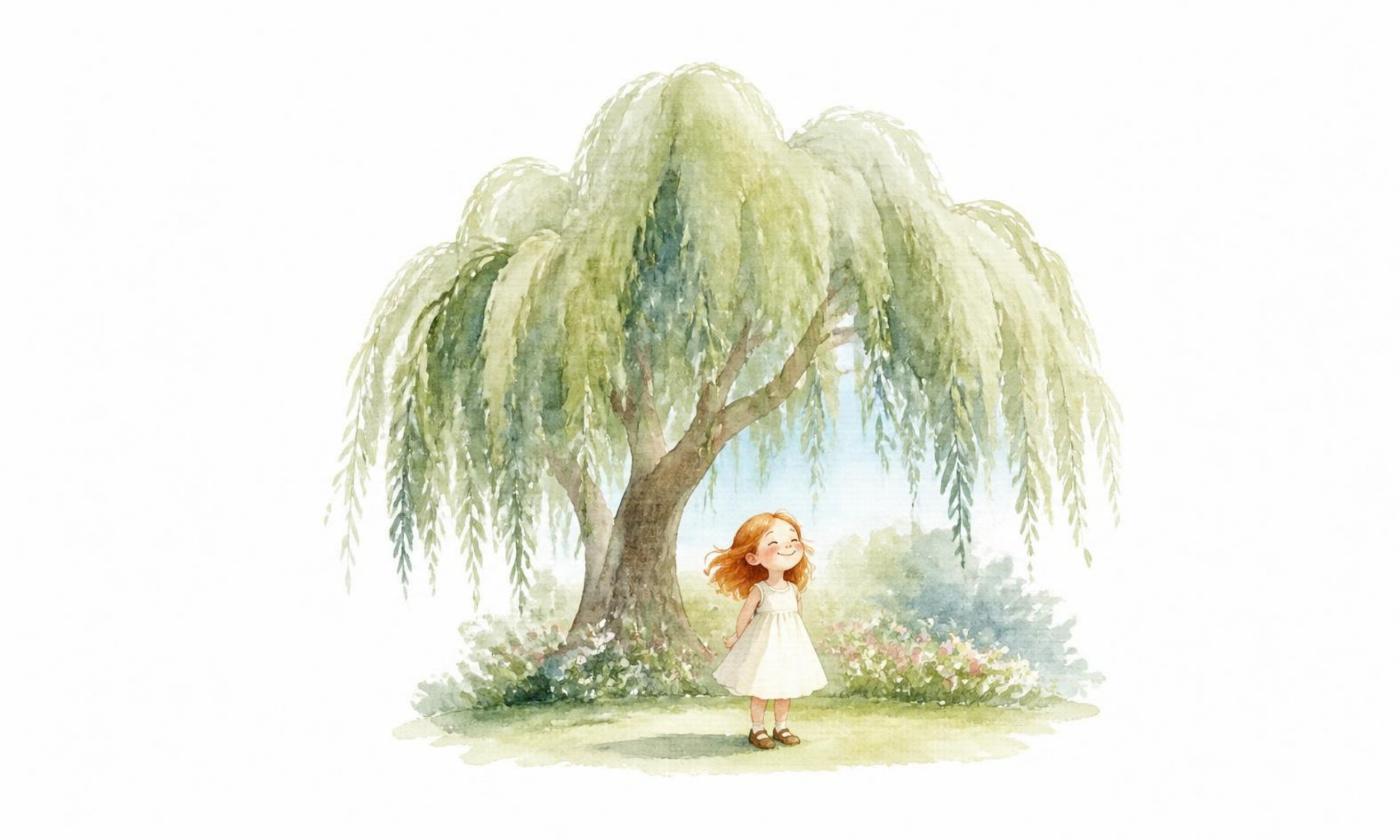
Everyone has an inner child. This manifestation of youth holds our passions, innocence, and creativity—even the parts we’ve long forgotten. It also carries our wounds, the ones we weren’t equipped to deal with at the time. This energy, both good and bad, can remain in our bodies for years or even decades.
For some, looking back at childhood brings joy. For others, it’s something they prefer to forget. Whatever the case, connecting to your inner child can bring unexpected insight and healing.
I started journalling about my childhood because it was difficult. There was a time when I would look back on my life as a series of traumas—a warped timeline of isolated events. At age 7, this trauma happened. At age 11, another. It was so bad that I had a negative event associated with each age, and I wanted to change that. I realised that we are alive 24 hours a day, 365 days a year, yet I was defining whole years of my life by single bad moments.
With this in mind, I created a set of rules, and through journalling I was able to create a new, better timeline.
Rule #1: Find the good.
My first rule was to write about the good, never the bad. While it’s important to honour every part of your history, we rarely need any help to think about the negative. Rather, this journal should bring you balance by allowing positive memories to be front of mind. Look back and find those special moments. It doesn’t matter how big or small they are. Five or ten minutes of joy is enough—the kindness of a stranger, or a chance encounter with a friend. Whatever it is, focus on it, hold it in your mind, then write about it.
Rule #2: Write as you were.
The next rule is to write as you were, not as you are. If you’re writing a memory from when you were eight, write as your eight-year-old self—without the hindsight of later years. If you can remember something positive but you no longer get along with the person in it, let that be okay. Don’t be tempted to tell the story differently from what it was. Although it may be challenging, try to honour who you were and what you felt at the time.
Rule #3: Make it sacred.
Finally, make your journalling practice sacred. Choose a special notebook and pen, perhaps something that would have appealed to your younger self. You may even have an old one from years ago that would be perfect for this purpose.
Set aside time where you won’t be disturbed. You should only need 10–15 minutes at a time.
If you feel drawn to, make your journal even more personal. Include photos from that special day, a leaf from the tree you used to climb, or even a drawing. This experience should be sacred to you, so shape it in whatever way feels right.
At the end, flip through all your wonderful memories and map a new timeline. When times are hard, you can look back and remember these moments of joy. You may even feel inspired to recreate your positive memories or revisit interests you had when you were younger.
All images are ethically generated with Canva AI.